
Guide
Your Fitness Questions Answered Here Today

What is a fitness trainer?
A certified fitness trainer specializes in designing personalized workout programs tailored to men's specific goals. Whether you want to build muscle, lose weight, or improve athletic performance, a professional trainer provides expert guidance on exercise techniques, nutrition, and lifestyle modifications. They monitor your progress, adjust your training intensity, and keep you motivated throughout your fitness journey. Working with a trainer eliminates guesswork and helps you achieve results faster and safer.
Why hire a dedicated fitness trainer?
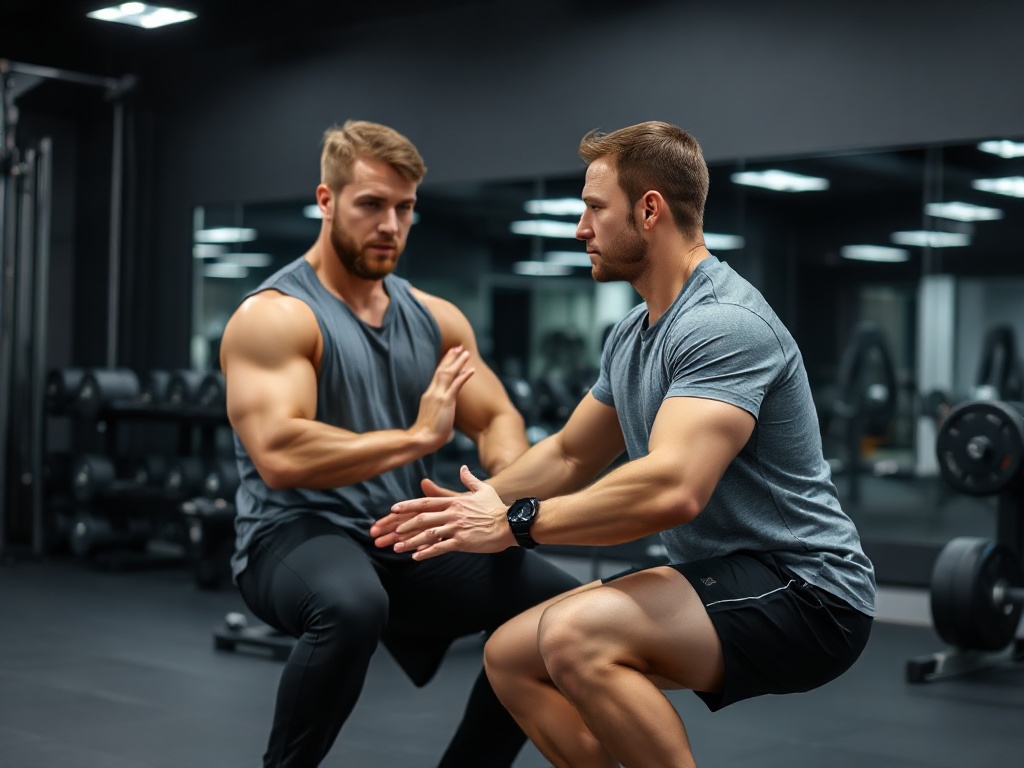
Training with a professional ensures you perform exercises with proper form, reducing injury risk and maximizing effectiveness. A trainer creates accountability, pushes you beyond your comfort zone, and provides nutritional advice to complement your workouts. They save you time by eliminating ineffective training methods and adapt programs as your fitness level improves. Men who work with trainers typically see faster strength gains, better body composition changes, and lasting lifestyle improvements compared to those training alone without professional guidance.
What are the key areas a male fitness trainer focuses on?
Professional trainers for men concentrate on strength building, muscle hypertrophy, cardiovascular endurance, and functional fitness. They address postural issues common in sedentary jobs, develop sports-specific training, and create sustainable nutrition plans. Trainers also help with injury prevention, recovery optimization, and mental toughness development. They tailor programs for different experience levels, from complete beginners to advanced athletes, ensuring progressive challenges and continuous improvement in performance metrics.
How does personalized training differ from generic programs?
Generic workout routines ignore your unique body composition, experience level, injuries, and specific goals. Personalized training accounts for your fitness baseline, movement patterns, lifestyle constraints, and preferences. A dedicated trainer adjusts intensity, volume, and exercise selection based on how your body responds week to week. This customized approach prevents plateaus, addresses individual weaknesses, and optimizes hormonal responses for better muscle growth and fat loss, delivering superior results compared to one-size-fits-all programs.
What nutrition guidance do fitness trainers provide?
Expert trainers offer practical nutrition advice including optimal protein intake for muscle building, meal timing strategies, and sustainable eating patterns. They help you understand caloric needs, macronutrient distribution, and how to fuel workouts effectively. Trainers educate you on reading nutrition labels, making healthy food choices, and managing cravings without restrictive dieting. While they're not registered dietitians, they provide evidence-based guidance that complements your training program and accelerates achievement of body composition goals.
How often should you train with a fitness coach?
Training frequency depends on your goals, experience level, and recovery capacity. Beginners typically benefit from two to three sessions weekly to learn proper form and build foundational strength. Intermediate lifters often train three to four times per week for continued progression. Advanced athletes might need four to five sessions focusing on specific muscle groups. Your trainer assesses your recovery, schedules periodized training blocks, and adjusts frequency based on competition schedules or life demands to prevent overtraining while ensuring consistent progress.
Understanding common training questions helps you maximize your fitness investment
What results can you expect from professional training?
Most men experience noticeable strength improvements within four weeks of consistent training with a professional coach. Within eight to twelve weeks, you'll see measurable muscle growth, increased energy levels, and improved body composition. Long-term clients report better sleep quality, reduced stress, enhanced confidence, and sustained motivation. Results vary based on adherence, nutrition compliance, and genetics, but properly guided training consistently delivers faster and more sustainable outcomes than training without professional expertise and accountability.
Can trainers help with specific fitness goals?
Absolutely. Professional trainers design specialized programs for muscle building, fat loss, athletic performance, injury recovery, and functional strength. Whether you want to get stronger for sports, prepare for a wedding, recover from injury, or simply feel better, trainers create targeted plans. They understand biomechanics, exercise progression, and recovery protocols specific to each goal. Trainers also help establish realistic timelines, track measurable metrics, and celebrate milestones, keeping you motivated through your entire fitness transformation journey.
What makes an online fitness trainer different from in-person training?
Online trainers provide flexibility, allowing you to work out at home on your schedule while still receiving professional guidance through video calls and app-based programming. They create detailed workout videos, provide form feedback on submitted clips, and adjust programs remotely. In-person trainers offer hands-on form corrections, immediate exercise modifications, and direct motivation in shared space. Both approaches deliver excellent results; the best choice depends on your preferences, schedule flexibility, and learning style for achieving fitness success.
How do trainers prevent injuries during workouts?
Expert trainers assess your movement quality, identify imbalances, and correct exercise form before they cause injury. They progress intensity gradually, ensuring your body adapts to increasing demands. Trainers incorporate proper warm-up protocols, mobility work, and recovery techniques into every session. They respect your injury history, modify exercises for limitations, and educate you on listening to your body signals. This proactive injury prevention approach keeps you training consistently, which is essential for long-term progress and sustainable fitness results.
What's the difference between a certified trainer?
Certified fitness trainers have completed rigorous education and passed standardized exams from recognized organizations like NASM, ACE, or ISSA. Certifications demonstrate knowledge of exercise science, nutrition, program design, and client safety. They stay current through continuing education and follow professional codes of conduct. Certified trainers have liability insurance, understand biomechanics deeply, and can adapt programs for various populations and limitations. This credential ensures you receive evidence-based training from someone accountable to professional standards.
How does programming change as you get stronger?
As your fitness improves, trainers increase training variables including weight lifted, repetitions performed, sets completed, and training frequency. They introduce advanced exercises, reduce rest periods, and implement periodization strategies cycling intensity phases. Trainers prevent adaptation plateaus by changing exercise selection, tempo, range of motion, and training protocols. Progressive overload remains the foundation, but application becomes more sophisticated. This strategic progression ensures continuous strength gains, muscle development, and performance improvements over months and years.


Get your personalized fitness training plan
Over 500+ men transformed their physique with us